Showing posts with label Matt Reeves. Show all posts

Thursday, September 19, 2019

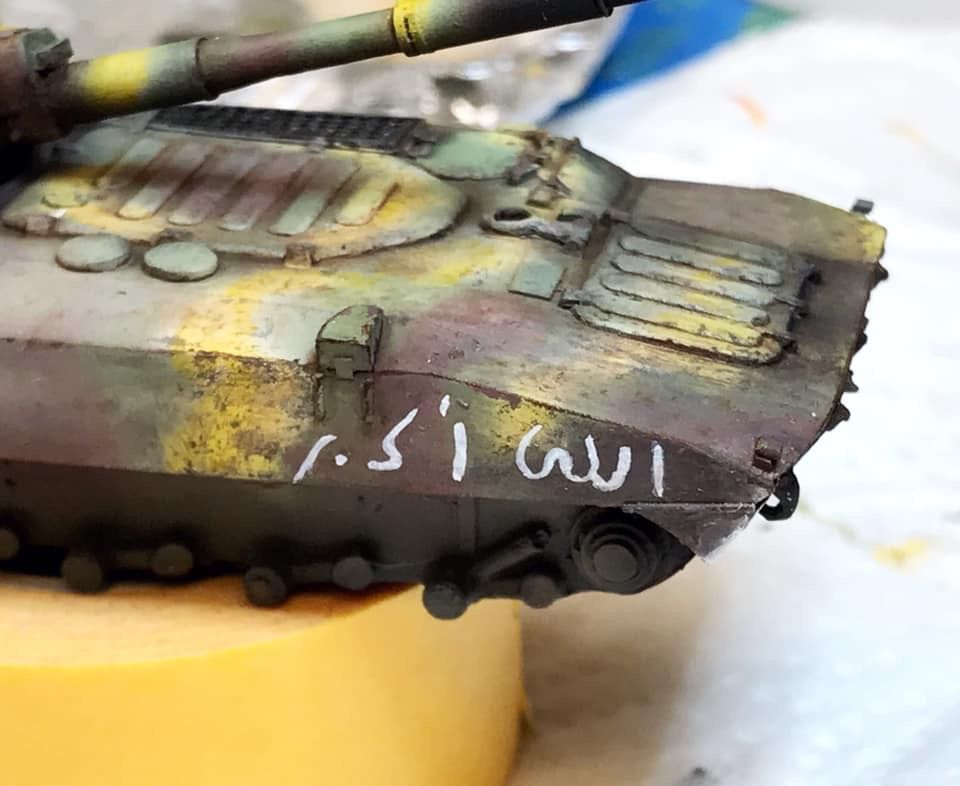
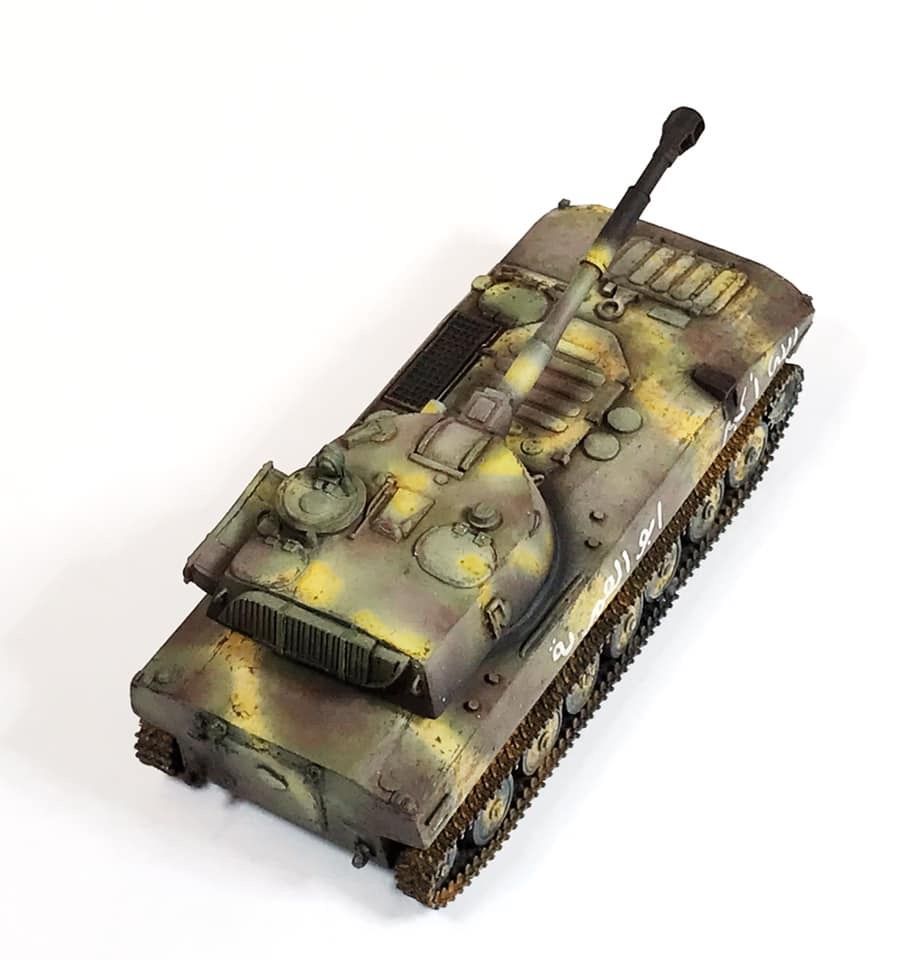
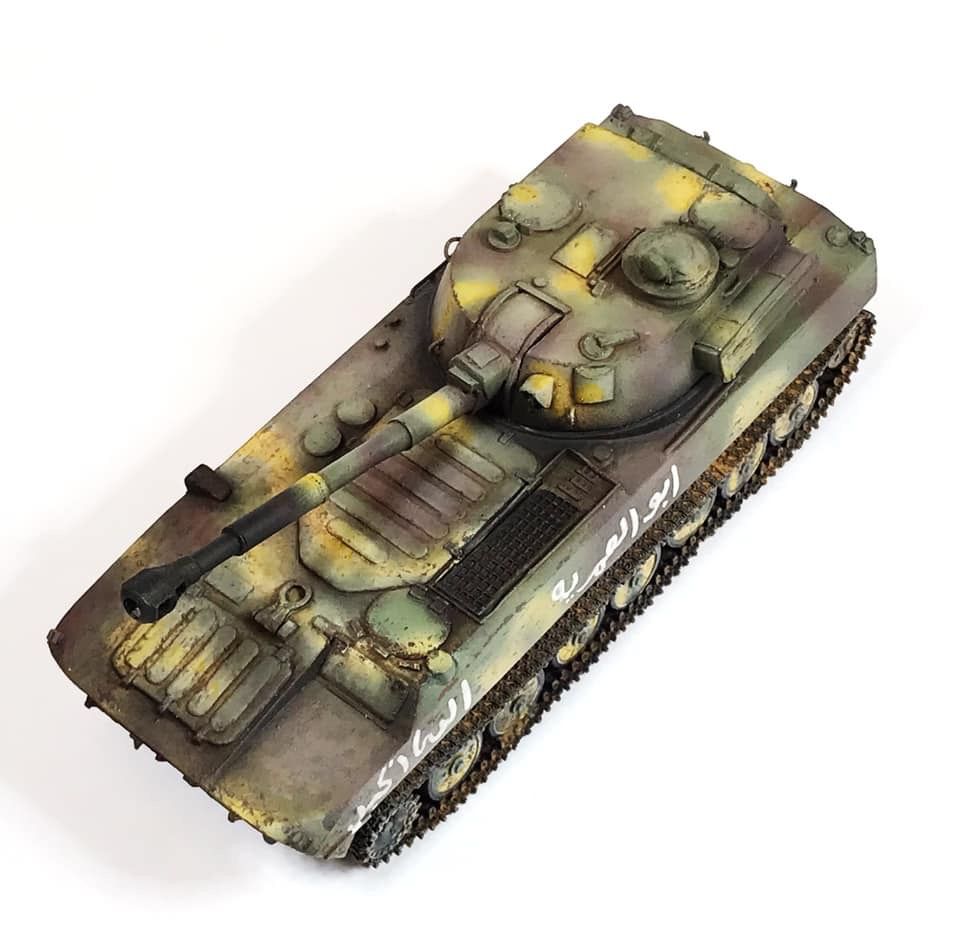
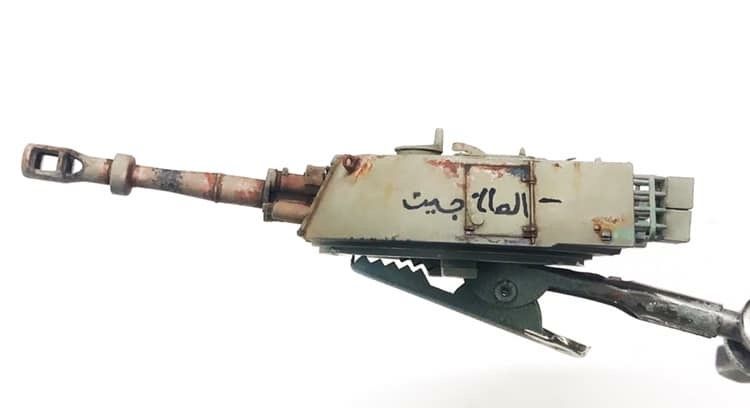
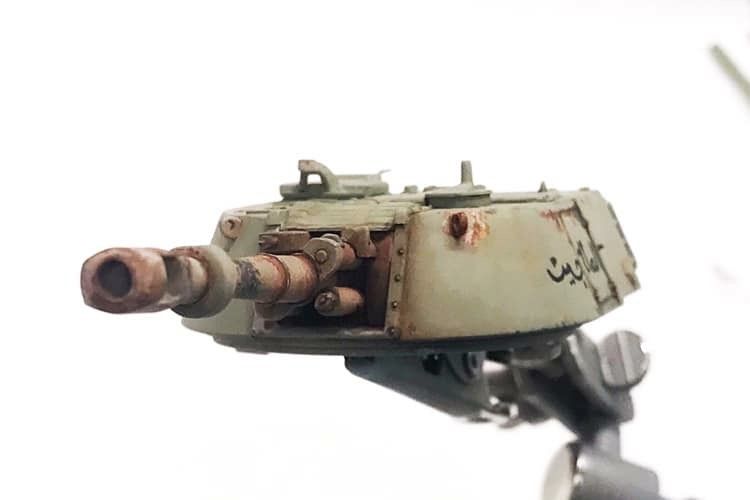
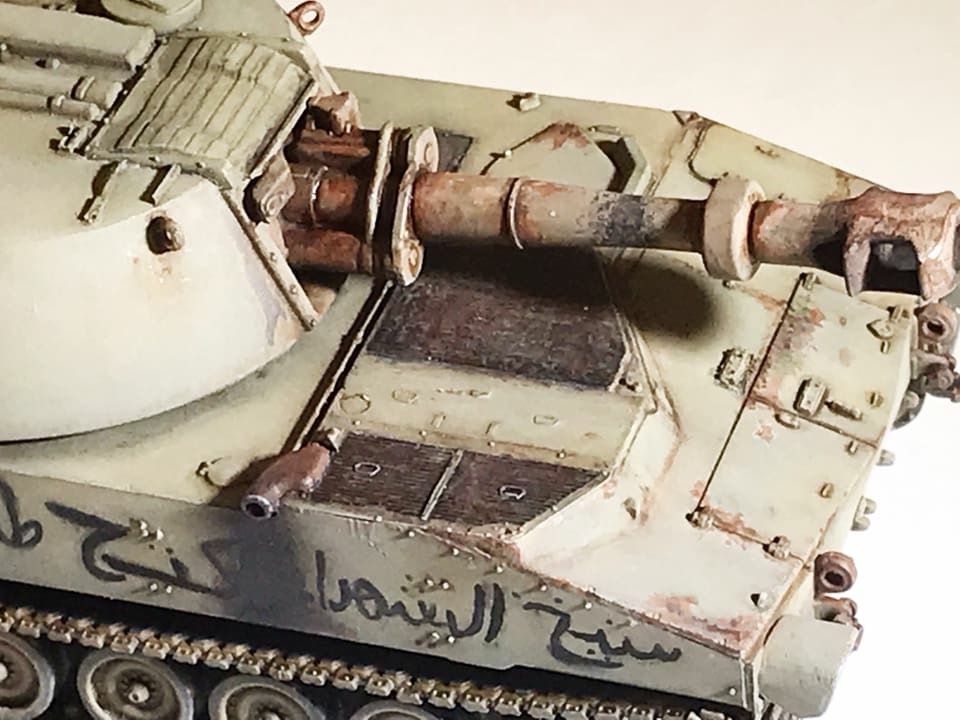
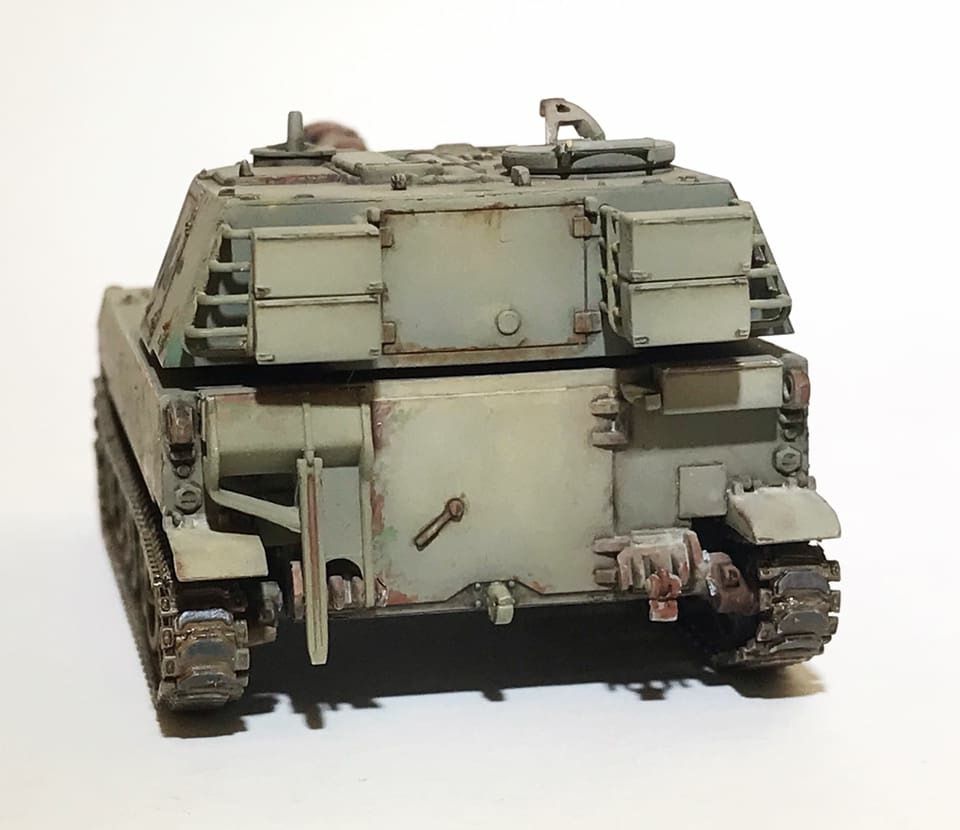
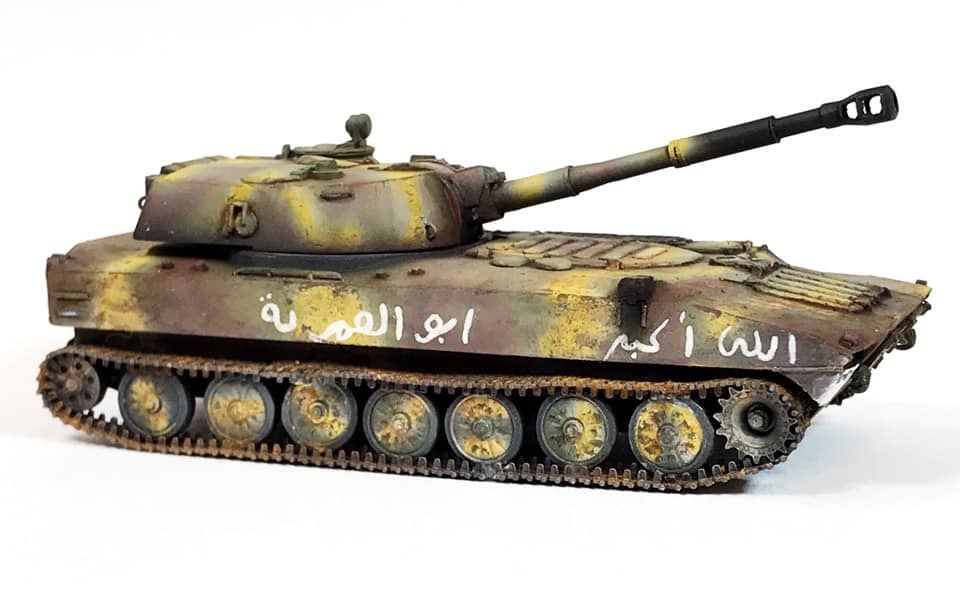
Ace 1/72 2S1 Gvozdika - Free Syrian Army (by Matt Reeves)


Hello dear friends,
I started this kit in 2014, but it was incomplete. click please :http://miniafv...2s1-gvozdika.html
Then, in 2019, Matt wanted to complete this kit. I also sent to the US from Turkey. I think it was a perfect model. Thank you, Matt.
Erhan..

Now, Matt tells ...

********************

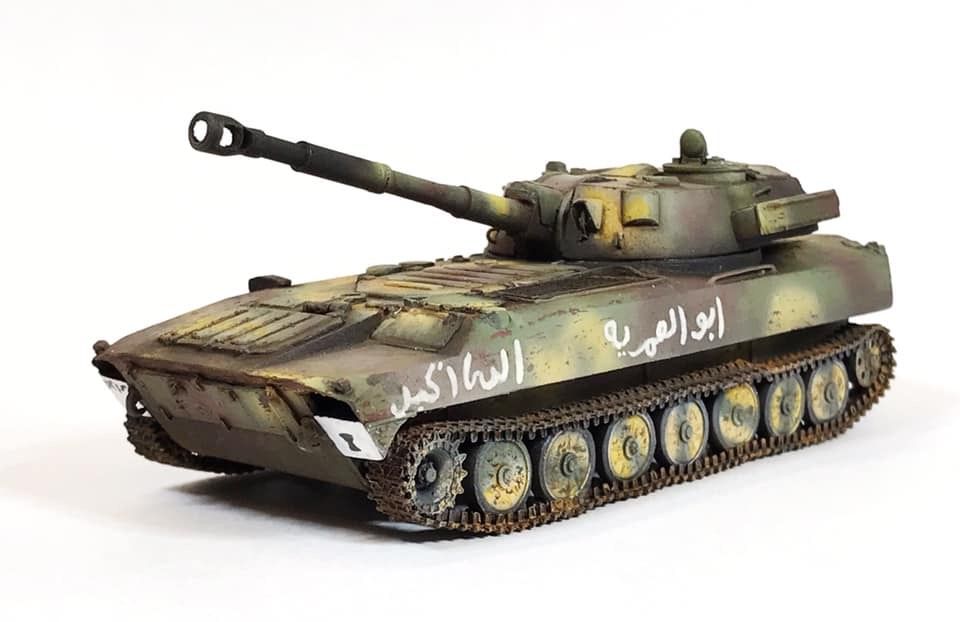
Free Syrian Army 2S1 Gvozdika, ACE 1/72.

The siege of Homs during the Syrian Civil War lasted three years, from May 2011 to May 2014. Around 3,000 men from both the government forces and rebels were killed. The siege ended with a treaty allowing for the withdrawal of rebel forces.

The Soviet-built 2S1 self-propelled howitzer, nicknamed Gvozdika (carnation) because of its flower-shaped muzzle blast, has seen combat throughout the Third World since its design in the early 1970s. Syria received about 400 of them over the past several decades, and many of them have ended up in the hands of rebel and Salafist insurgent groups since the civil war in that country began in 2011.
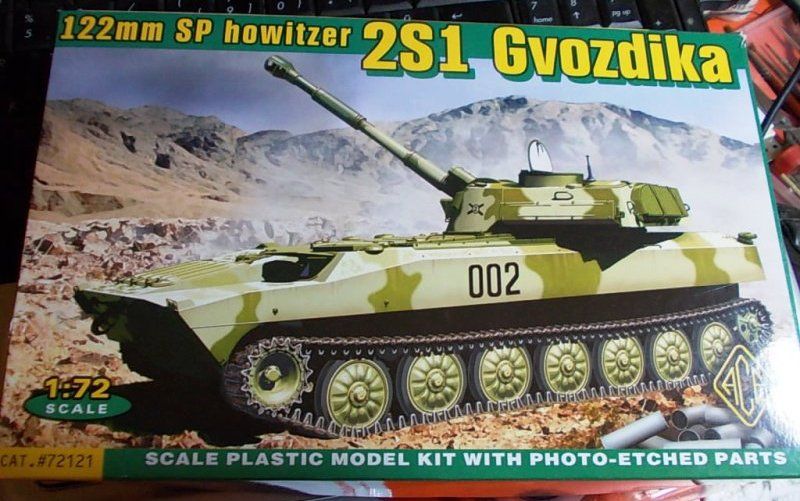
ACE, a company from Ukraine, started life in the early 2000s. Their resources were not as sophisticated as they are now, and so their early releases were very poorly molded. I obtained this kit back then, and likewise lacking my current resources (tools, references, and patience..), it ended up in the garbage.

After finding a photo of a 2S1 taken in Homs in 2013, I got a hankering to build one. But I couldn’t find the ACE kit (the only one of this vehicle in 1/72 scale), much as I tried. My pal Erhan Atalay, from Turkey, came though for me and we set up a trade. This model has been all over the world!

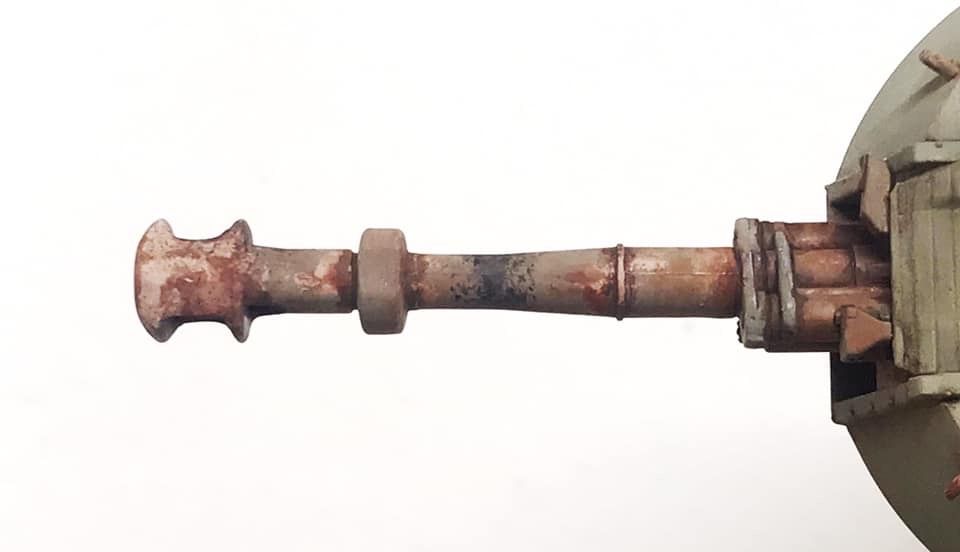
The model required a lot of carving and sanding and puttying, just as it did the first time I tackled it, but it went together much easier this time. The main impetus was the use of OKB Grigorov resin tracks, though there was some difficulty keeping the roadwheels aligned. I also used an aluminum barrel from Dymok. I had made quite a few small details, but after having to strip the paint due to a mishap with chipping fluid, many of them were lost.

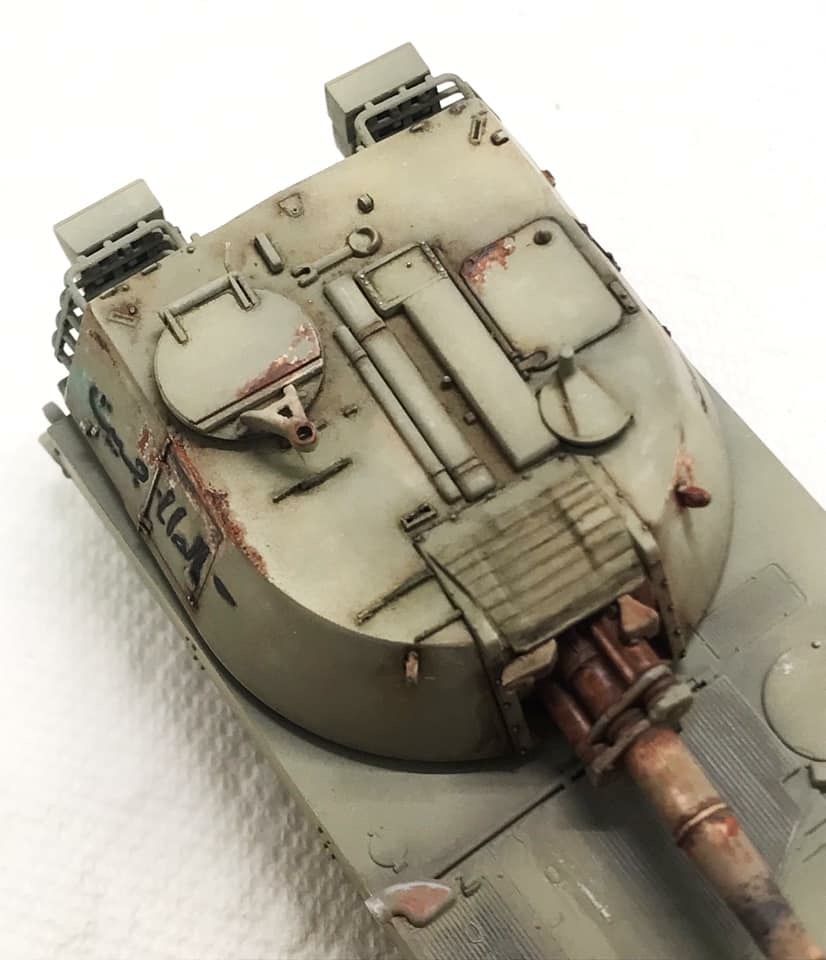
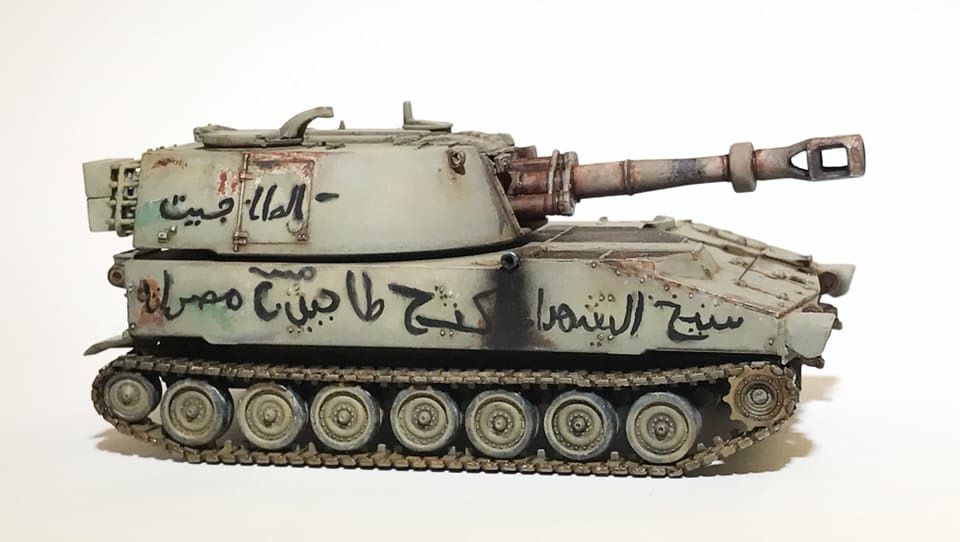
The graffiti starts with “Allahu akbar,” and the other half is “Abu El Amreyeh,” which is likely the name for the rebel group which operated this particular vehicle. Many thanks to my Egyptian pal Bassam Mansour for helping me with this.

This project brought a bit of nostalgia, and I’m happy to have a completed model of a 2S1 on my shelf.

Happy Modelling, 
Matt Reeves...


Cleaned up that atrocious rough molding on the hull plates, and filled in those cracks


I’m also fitting the OKB Grigorov resin tracks, and they have their own sprockets. I like to leave the wheels off until after painting, and I ripped them off the other side to clean up the tires. But I left this side on just to get the tracks aligned.. much easier and cleaner to do before they’re painted
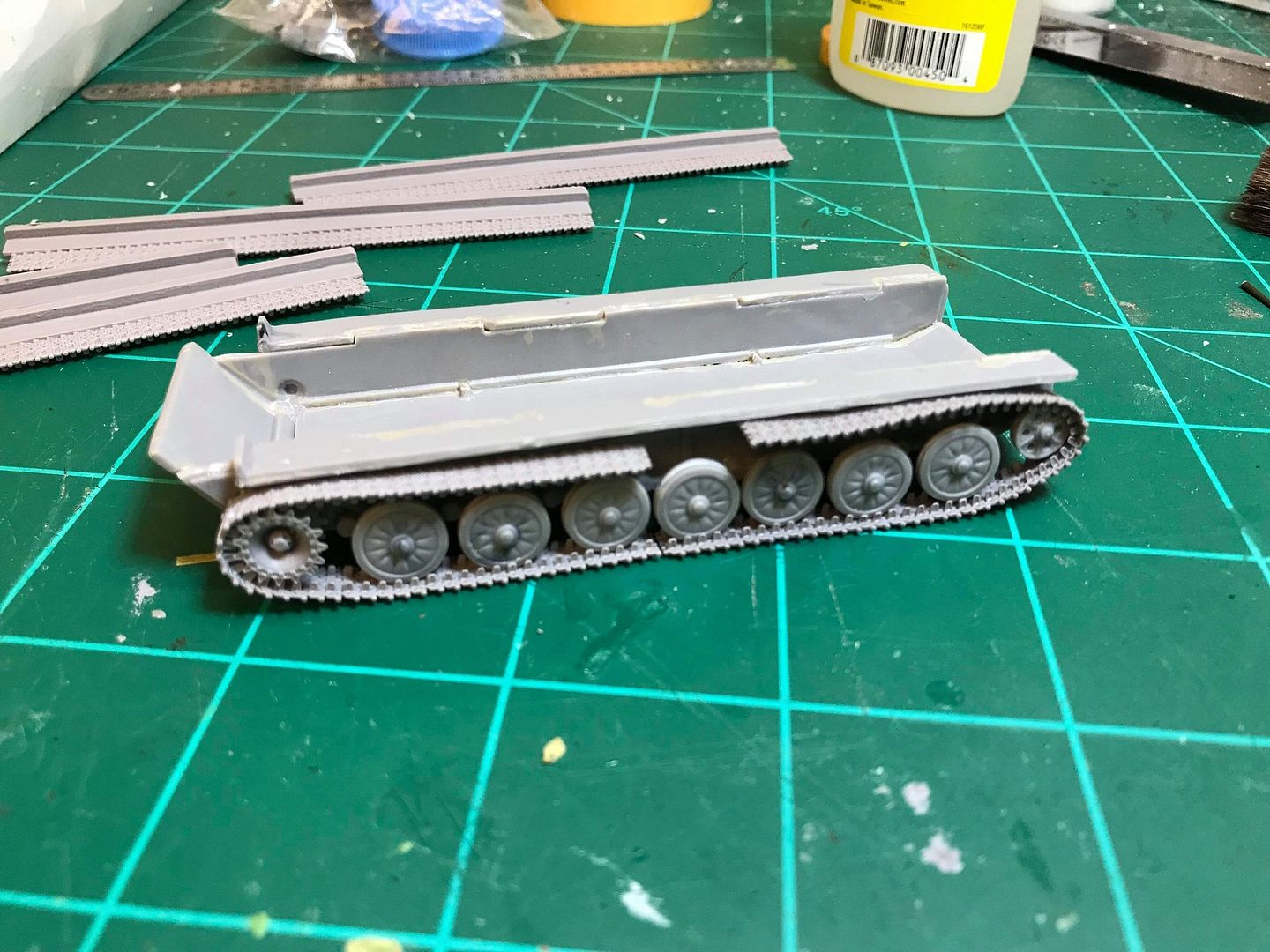

 Lots of puttying, filling, sanding, and carving, but it’s so worth it.
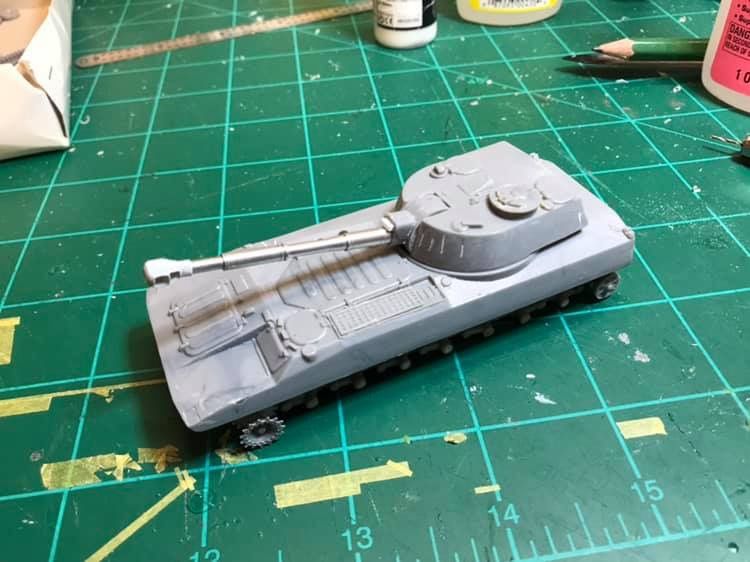
Small details with wire, square styrene rod, and stretched sprue.


First coat of primer on.
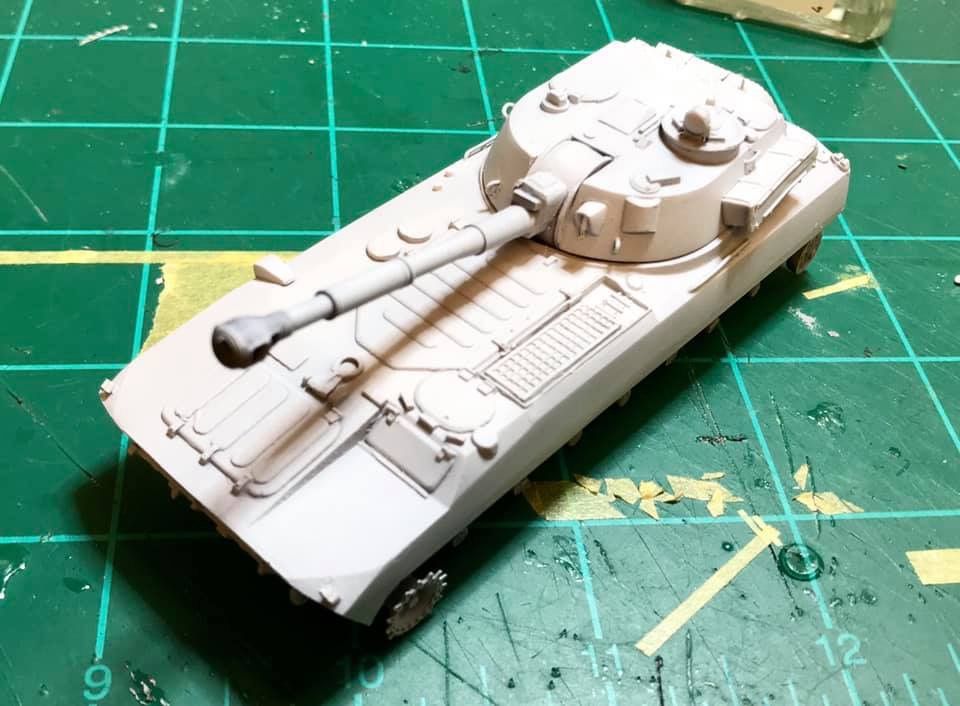

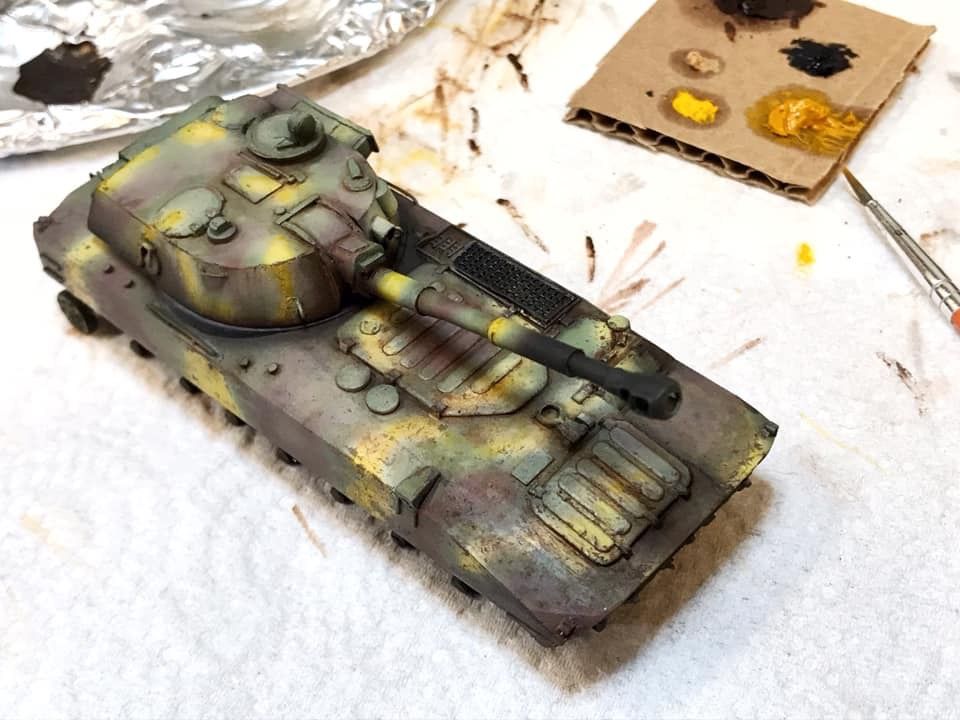
After a painting mistake which made me have to strip the model down to bare plastic, the 2S1 is back on track.
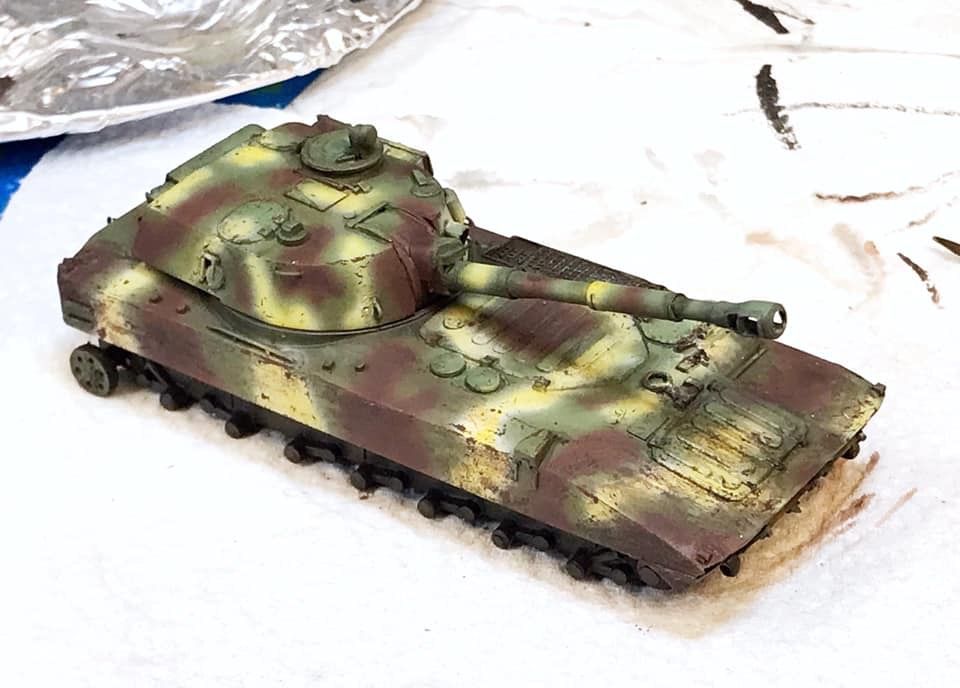

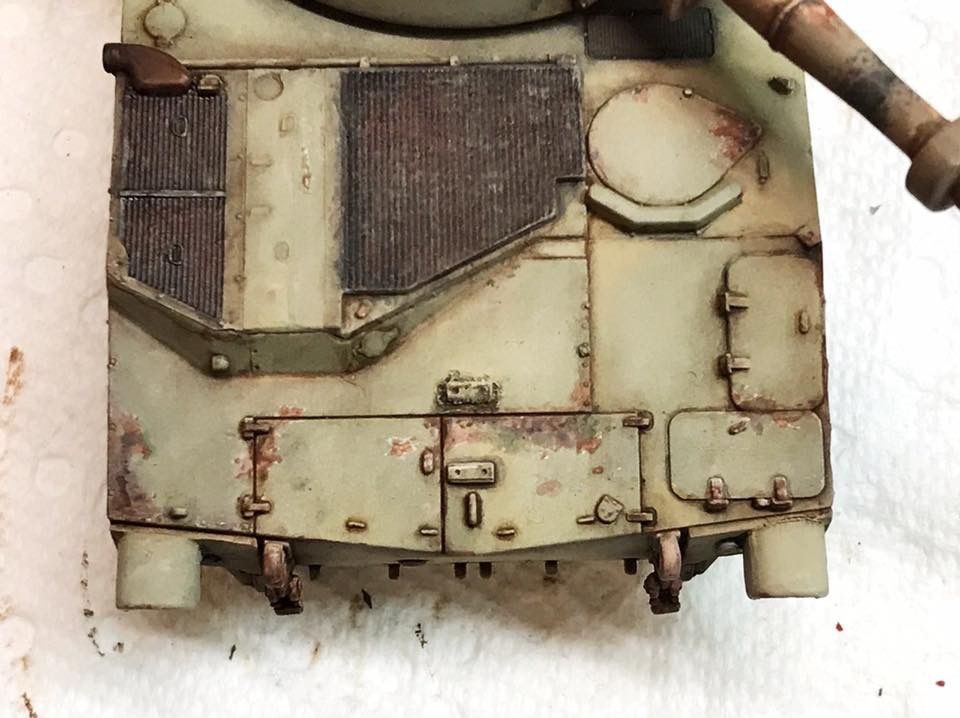
Weathering with oil paints is my favorite part of any build.


completed model..


Monday, December 10, 2018

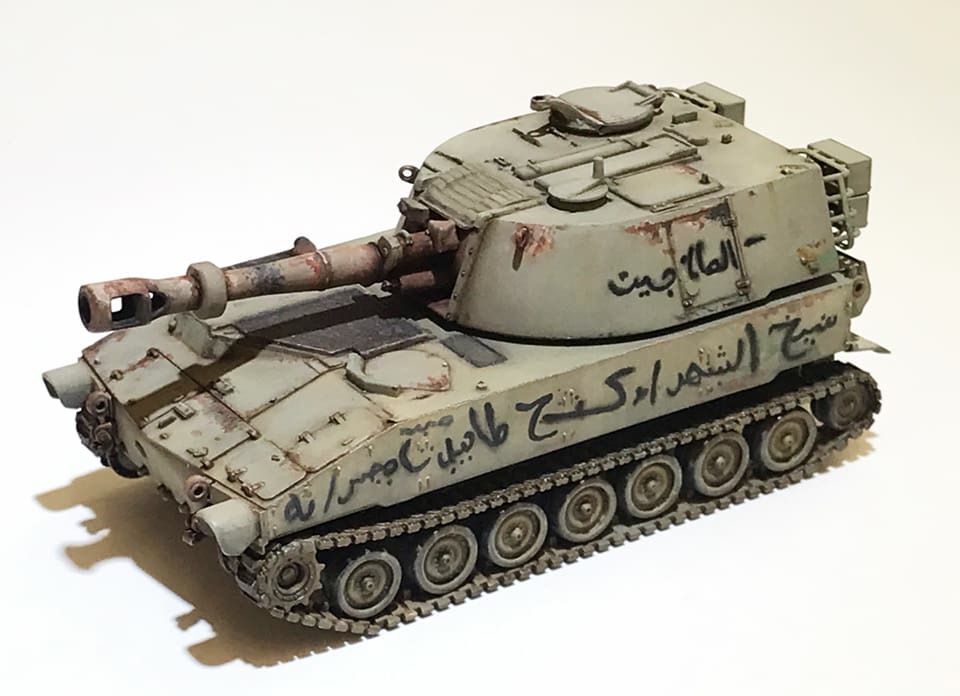
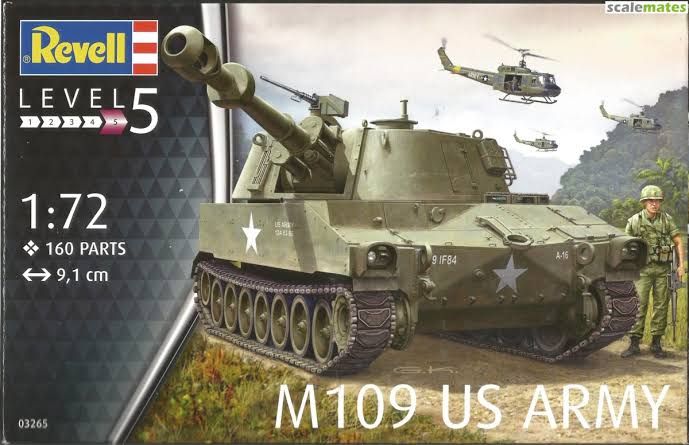
Revell 1/72 M109 Libyan Army (by Matt Reeves)


M-109A, Libya 2011
Revell 1/72

Having served the United States and many other countries since the 1950s, the M-109 self-propelled howitzer, and its current incarnation in US service as the M-109A6 Paladin, needs no introduction.

A small number, anywhere from a dozen to twenty, of the initial M-109 variant were supplied to the Libyan regime of King Idris in the late 1960s. Soon after their arrival, Colonel Muammar Gaddafi launched a coup that brought about one of the most bizarre, and most criminal, regimes in modern history.

Gaddafi’s end, being dragged from a culvert near his place of birth and beaten, sodomized, and finally shot by his fellow Libyans while pleading “please do not kill me, my sons” after his convoy was bombed by his former NATO allies, was as full of irony and violence as his forty-odd years of rule over the long-suffering nation of Libya.

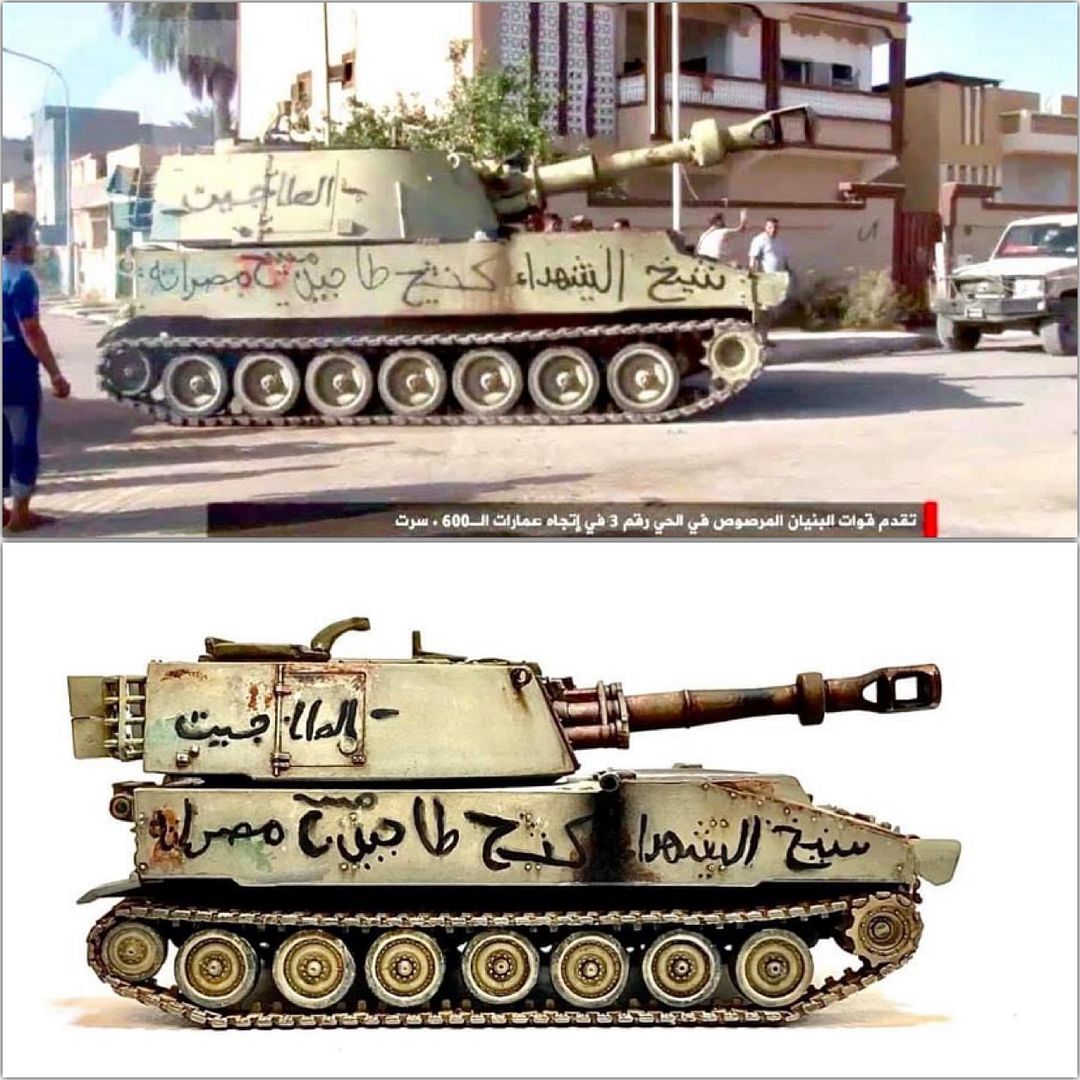
Small wonder then that vehicles captured from the regime by anti-Gaddafi militias were emblazoned with slogans promising death to the regime and Gaddafi himself.

Due to years of embargoes and battlefield damage in Gaddafi’s meddling in Chad (where his Soviet-equipped army was savaged by Western-supplied militiamen) and other African nations, it’s likely that half or more of Gaddafi’s vehicles were kept in storage for lack of spare parts and technical knowledge. Hence the discovery of these old M-109s by anti-Gaddafi militias among other dilapidated artillery systems in storage.

One of my sources says the M-109s were used in the battle of Sirte (during which Gaddafi was killed), while another cites the low probability of them having actually been used in combat due to no video evidence, lack of spares and ammunition, and the prevalence of other artillery systems among anti-regime forces.

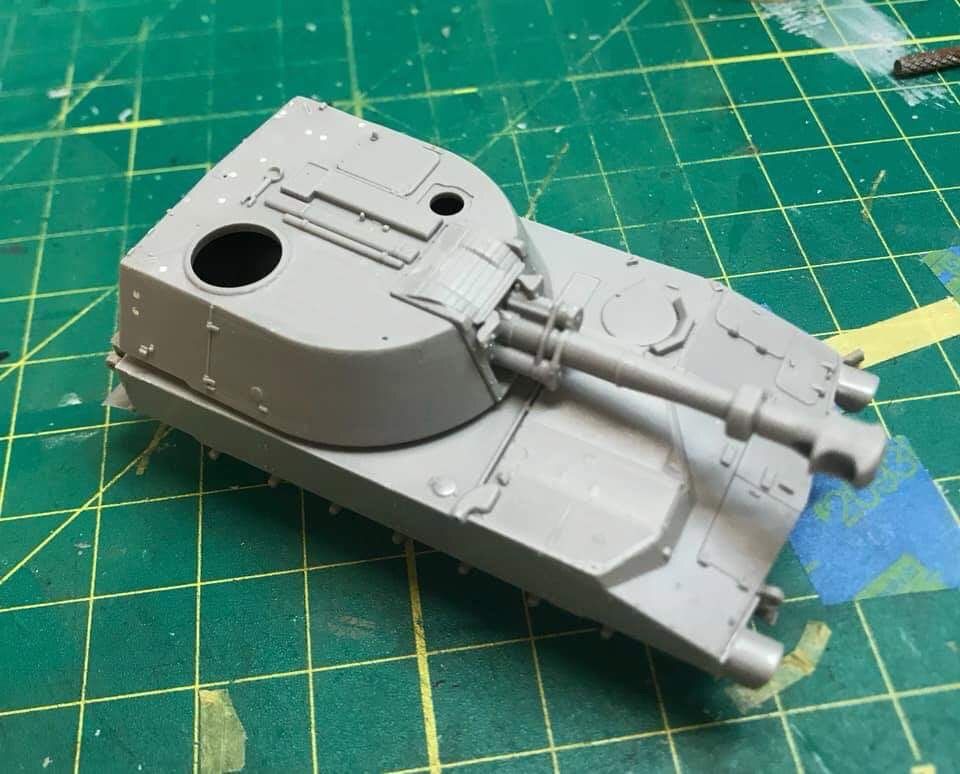
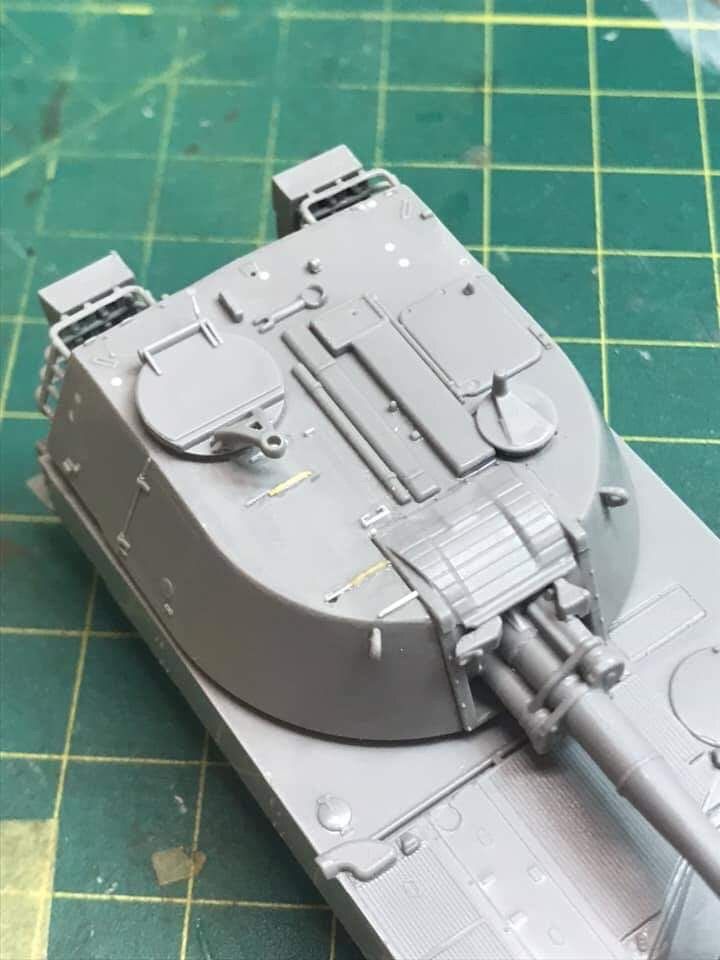
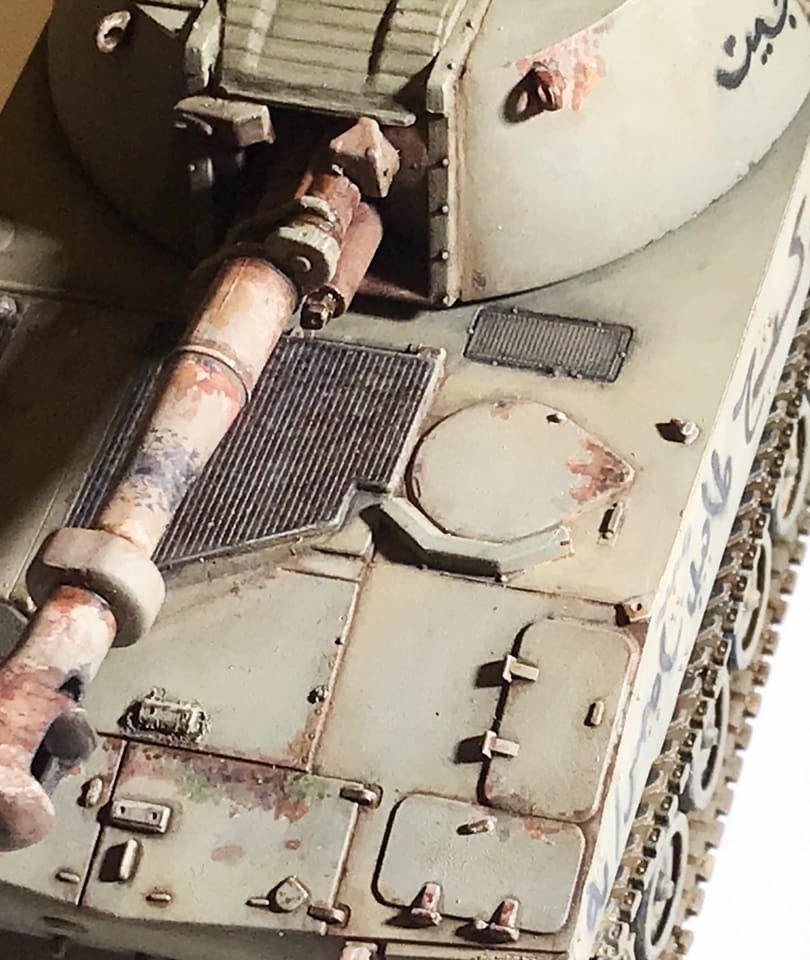
Revell really took a step back from their usual quality with this kit. Nothing that can’t be easily fixed, but there were plenty of sinkholes, flash, and incompletely molded parts more reminiscent of Italeri than Revell. The tracks and suspension did not properly align without some carving and puttying, which is something that seems to occur more and more on Revell’s newer releases.

I assumed the tools on the turret had likely been scrounged over the years, so I carved them off and scratchbuilt brackets and tie-down straps in their place. Sources showed only one recoil spade attached on one vehicle, so I left one off.

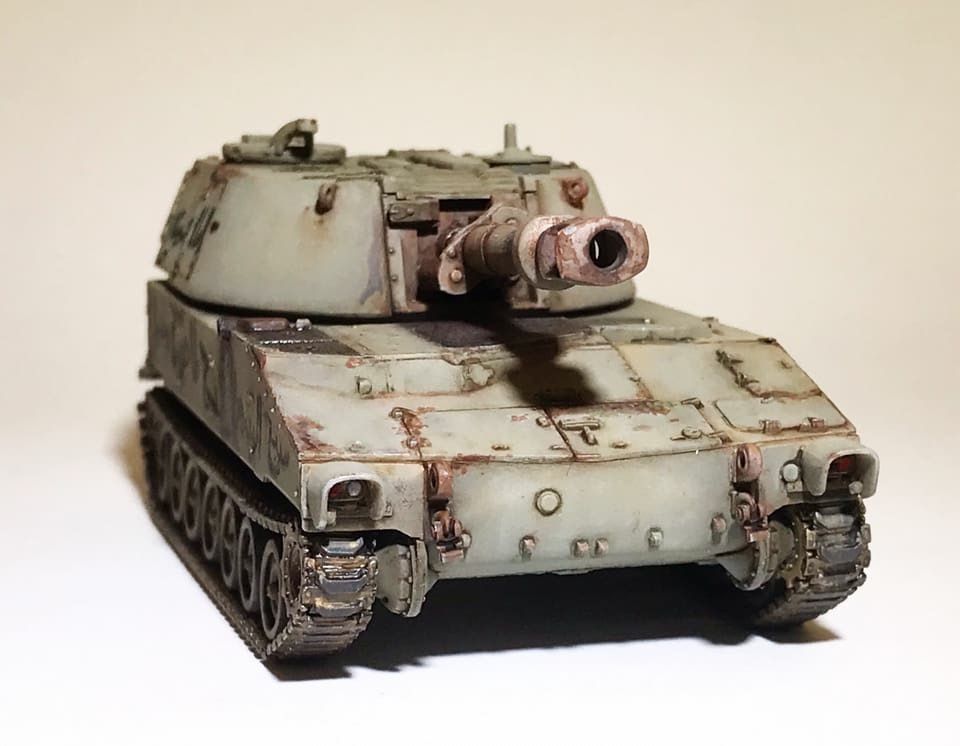
The model was painted with AK’s Real Colors ‘Libyan Army Desert Gray’ lacquer. It airbrushed well and dried dead-flat, and as there were no decals to bother with, I didn’t need any clear coats.


The graffiti was translated by an Iraqi friend and an Egyptian friend of mine. There are some differences in dialect and maybe poor handwriting by the rebels, but the graffiti indicates the rebels were willing to be martyrs, they were going to take Misurata (a city which was called Libya’s Stalingrad during the revolution), and they would eat the government forces like tajine (an Arab food). I pulled this off on the model by handwriting the Arabic script with a pencil, then painting black over it with a detail brush, then brushing black pastel over it to indicate spray paint. The model was finally weathered with oils, enamel washes, and AK pigments.

Sources -
Arab Revolutions and Border Wars, AK Publishing
Esoteric Armor: Libya M-109
http://esotericarmour.blogspot.com/2012/09/libya-m109.html

Happy modeling
Matt reeves..

Thank you for sharing Matt and welcome to "miniafv"..
Erhan...


There are only two pictures about to the construction stage...


Weathering...


completed model...


free counters